By Hassan Adan
SIMAD University has stepped onto the regional stage in efforts to address climate-driven displacement, as representatives joined policymakers and experts at a high-level symposium examining one of Africa’s fastest-growing challenges: climate mobility.
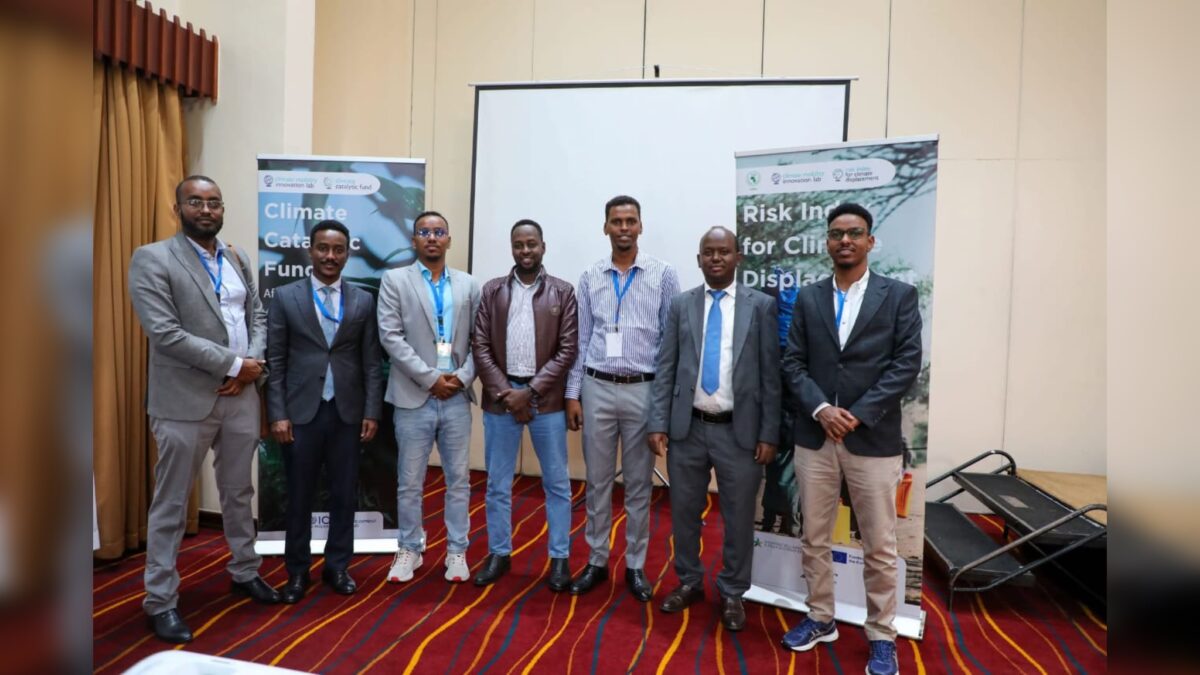
The university was represented by Ustad Abdikafi Hassan Abdi from its Institute of Climate and Environment (ICE Institute) at the Regional Symposium on Climate Mobility, held in Nairobi from March 24–26.
The event was organized by the International Organization for Migration in collaboration with the Intergovernmental Authority on Development.
The gathering brought together government officials, researchers and development practitioners from across the continent to examine how climate change is reshaping migration patterns — from drought-driven displacement in the Horn of Africa to coastal erosion threatening livelihoods in other regions.
“Climate mobility is no longer a future risk — it is a present reality,” Abdikafi said on the sidelines of the symposium. “Institutions like ours have a responsibility to generate evidence, inform policy and equip communities with the knowledge needed to adapt.”
Experts at the forum emphasized that Africa, while contributing minimally to global emissions, faces disproportionate impacts from climate shocks. According to participants, the absence of reliable data and coordinated policy frameworks continues to hinder effective responses.
A senior official from International Organization for Migration said the region must move beyond reactive approaches. “We need anticipatory planning grounded in science and local realities. Universities are critical partners in this process,” the official noted.
Growing Academic Voice from Somalia
SIMAD’s participation reflects a broader ambition by Somali institutions to play a more active role in regional and global policy debates.
Founded in1999 in Mogadishu, SIMAD has in recent years positioned itself as a leading center for research and higher education in Somalia, contributing to the country’s post-conflict recovery through capacity building and innovation.
The university has developed a diverse academic portfolio spanning faculties such as economics, management, computer science, health sciences, education, and social sciences. Its research-driven approach has increasingly aligned with national development priorities, particularly in areas like climate resilience, governance, and sustainable development.
SIMAD is also home to the Institute of Modern Languages, a multilingual department aimed at equipping students and professionals with global communication skills. The institute offers training in multiple international languages, supporting Somalia’s integration into global academic and economic networks.
“Language is a bridge to opportunity,” said a faculty member familiar with the institute’s work. “Our goal is to prepare graduates who can engage internationally, whether in diplomacy, research or business.”
The university has consistently ranked among the top higher education institutions in Somalia, including recognition in global rankings such as Webometrics Ranking of World Universities, where it has been listed as a leading institution in the country.
Linking Research to Policy
At the Nairobi symposium, discussions highlighted the need for stronger collaboration between academia and policymakers.
Participants noted that climate mobility intersects with issues such as urban planning, security, and economic development — requiring interdisciplinary solutions.
SIMAD’s ICE Institute has been working to bridge that gap by conducting research on environmental change and its socio-economic impacts in Somalia.
The institute’s work includes community-based studies on drought resilience, internal displacement, and climate adaptation strategies.
“Research must translate into action,” Abdikafi said. “Our focus is not only on producing knowledge but ensuring it informs policies that improve lives.”
Strategic Vision for the Future
The university’s growing regional engagement comes as it refines its long-term strategy.
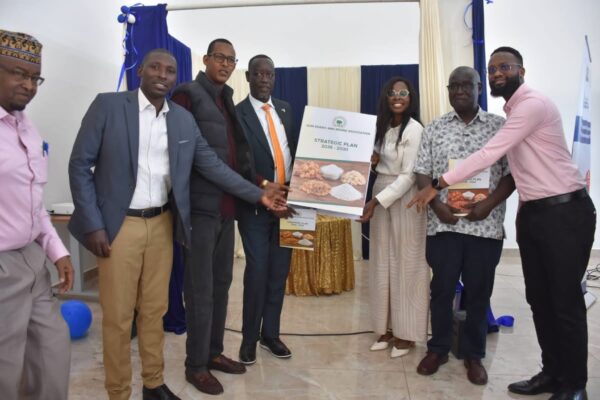
Earlier this week, SIMAD Senior Leaders held a high-level planning meeting in Nyeri to outline its strategic vision for 2026–2030, focusing on expanding research output, strengthening international partnerships, and enhancing academic quality.
According to officials familiar with the process, the strategy aims to position SIMAD as a regional hub for innovation and policy-relevant research, particularly in areas critical to Somalia’s future.
Analysts say such efforts are crucial as Somalia seeks to rebuild its institutions and respond to emerging challenges like climate change, youth unemployment, and rapid urbanization.
A Regional Challenge with Global Implications
Climate mobility is increasingly recognized as a defining issue of the 21st century. The Horn of Africa, already grappling with recurrent droughts and fragile ecosystems, is seen as particularly vulnerable.
Participants at the Nairobi symposium called for coordinated regional frameworks, increased investment in data systems, and stronger involvement of academic institutions.
“Addressing climate mobility requires a whole-of-society approach,” said a regional policy expert attending the event. “Universities like SIMAD are essential in shaping the evidence base and training the next generation of leaders.”
As the symposium concluded, delegates underscored the urgency of turning dialogue into action — with institutions such as SIMAD University emerging as key contributors to Africa’s response to climate-driven displacement.