By Hassan Adan
MOGADISHU– Türkiye is set to begin its first-ever offshore oil and gas drilling operation in Somalia, marking a significant milestone in the Horn of Africa nation’s long-delayed efforts to tap into its offshore energy potential.
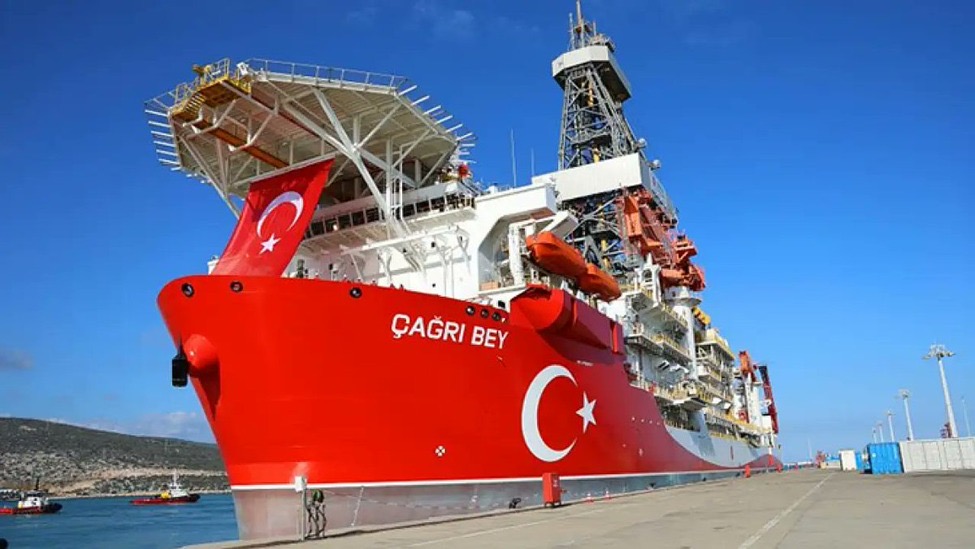
The Turkish drillship Çağrı Bey is expected to arrive in Somali waters on April 10, according to Alparslan Bayraktar, who confirmed the development during a public engagement in Trabzon. Bayraktar said he would travel to Somalia ahead of the vessel’s arrival to oversee the launch of operations.
“With the Çağrı Bey, we are initiating Somalia’s first offshore drilling,” he said, signaling what could become a transformative step for both countries if commercially viable reserves are discovered.
The operation follows a 2024 energy cooperation agreement between Türkiye and Somalia, part of Ankara’s broader push to expand its global energy footprint and reduce dependence on imported hydrocarbons.
For Somalia, the initiative represents a renewed attempt to unlock offshore reserves believed to hold substantial oil and gas deposits.
The Çağrı Bey, which departed Türkiye in February, is expected to drill in offshore blocks previously mapped by the Turkish seismic vessel Oruç Reis. The mission also marks the first time a Turkish drillship has operated beyond its national waters, underlining Ankara’s growing confidence in its offshore exploration capabilities.
Türkiye’s technical expertise in deep-sea drilling has largely been developed in the Black Sea, particularly at the Sakarya Gas Field. Discovered in 2020, the field—estimated at roughly 720 billion cubic meters—remains central to Türkiye’s ambition to become more energy independent.
Somalia’s offshore basins, stretching along the Indian Ocean and near the Gulf of Aden, have long attracted interest from international energy companies. Geological surveys conducted over past decades suggest the presence of untapped hydrocarbon systems similar to those found along East Africa’s coastal belt.
However, exploration has historically been hindered by prolonged conflict, weak regulatory frameworks and security concerns. Early exploration efforts date back to the 1970s and 1980s, when major oil firms conducted preliminary surveys, but these activities largely halted following the collapse of the central government in 1991.
In recent years, the Somali government has taken steps to revive the sector, passing petroleum legislation, establishing regulatory institutions and signing exploration agreements with international partners. Officials have consistently framed offshore oil and gas development as a potential catalyst for economic recovery.
President Hassan Sheikh Mohamud has previously said that successful exploration could “open a new economic chapter” for Somalia, helping generate revenue, create jobs and strengthen infrastructure development.
He has also emphasized the need for transparent governance to ensure that any future resource wealth benefits the broader population.
Analysts note that while the launch of drilling is symbolically significant, commercial production—if discoveries are made—could still take years due to the technical, financial and security challenges involved.
Türkiye has steadily expanded its presence in Somalia over the past decade, investing in infrastructure, humanitarian support and security cooperation.
The offshore drilling initiative adds a new strategic dimension to the partnership, positioning energy as a central pillar of bilateral ties.
Somalia’s location along one of the world’s busiest maritime routes further enhances its geopolitical relevance.
The waters off its coast sit near critical shipping lanes connecting the Red Sea to global markets, an area of increasing interest to regional and international powers