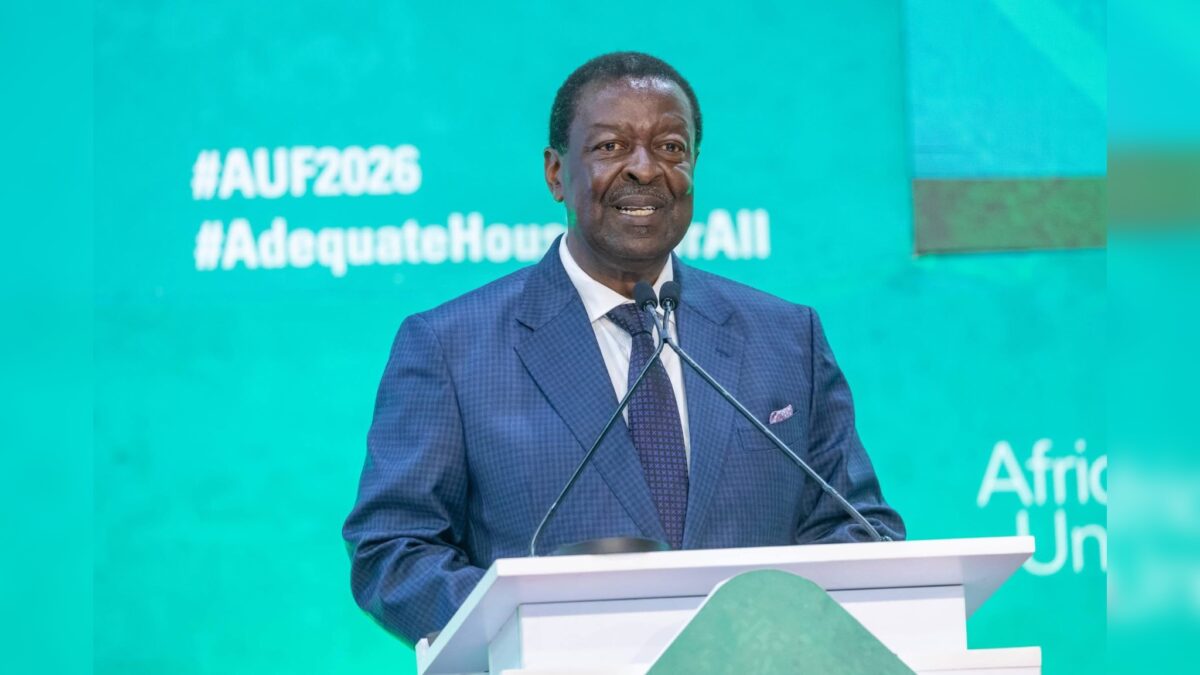
NAIROBI- Africa’s urbanization is accelerating at an unprecedented pace, and the time to move from conversation to execution is now, Prime Cabinet Secretary and Cabinet Secretary for Foreign and Diaspora Affairs, H.E. Dr. Musalia Mudavadi, has said.
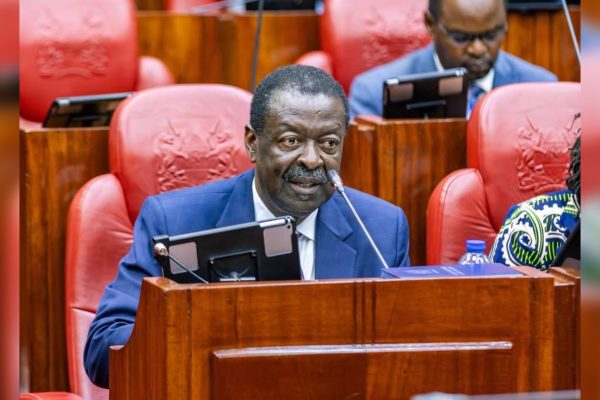
Speaking at the opening of the Second Africa Urban Forum (AUF2) in Nairobi, Mudavadi emphasized the urgent need to translate dialogue into actionable strategies and bankable projects that will shape the continent’s cities for generations.
“The time has come to move from conversation to execution,” he said, underlining the imperative of deliberate and strategic urban planning.
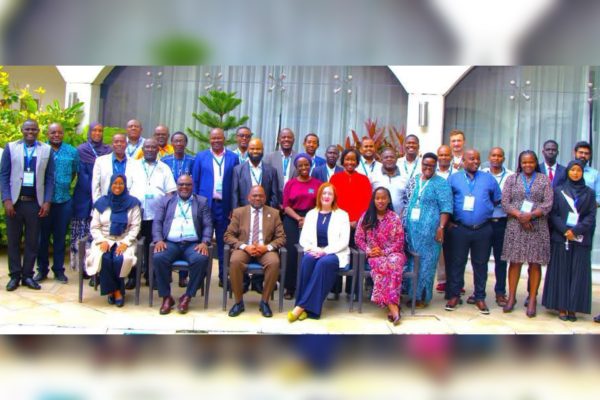
The opening brought together policymakers, urban planners, development partners, private sector leaders, and international experts to discuss financing, governance, technology, and climate resilience.
Africa’s urban population is projected to double from 700 million to 1.4 billion by 2050.
“Within a single generation, our cities will absorb hundreds of millions of new residents,” said Mudavadi.
He warned that urban growth, if left unmanaged, could worsen housing deficits, overstretched public services, air pollution, and climate-related risks. These challenges are compounded by constrained fiscal space, weak governance structures, and limited access to long-term and innovative financing.
Reflecting on Kenya’s own urban development journey, Mudavadi noted the difficulties in mobilizing resources for large-scale housing and infrastructure projects.
“In Kenya, we have gone through a very interesting episode to reach where we are under the affordable housing program championed by H.E President William Ruto,” he said.
He recounted petitions, street protests, and the bold decisions required to ensure progress. “A lot of courage is required, a lot of bold decisions, sometimes unpopular and painful, but unless we do this, the alternative is worse,” stressed Mudavadi.
Mudavadi urged African countries to adopt strategic approaches that go beyond managing growth to harnessing it as a driver of industrialization, employment creation, and economic integration.
“Well-planned and well-financed cities can serve as engines of innovation and growth,” he said, emphasizing the need for cities to be inclusive, efficient, and resilient.
Housing was highlighted as a foundational sector that stimulates industries, generates employment, and anchors communities.
Urban planning, infrastructure, climate resilience, and technology must all be integrated to create sustainable cities. Innovative financing models, both public and private, are essential to meet the enormous resource demands for urban transformation.
The Forum also reminded African nations of their responsibility to engage the global community with clarity ahead of the World Urban Forum 13 in Azerbaijan.
Key figures at the opening included Hon. Johnson Sakaja, Governor of Nairobi City County; Hon. Judith Nabakooba, Minister of Lands, Housing and Urban Development, Uganda, and Chairperson of AU STC No. 8; Hon. Alice Wahome, Cabinet Secretary for Lands, Public Works, Housing, and Urban Development, Kenya; and representatives from UNECA, AfDB, UN-Habitat, and the African Union Commission.
Kenya, as host of AUF2, emphasized moving beyond dialogue to measurable outcomes.
“The success of this Forum will not be measured by the quality of its discussions alone, but by the strength of its results,” said Mudavadi.
He called on all stakeholders to ensure ambition is translated into action and plans into implementable projects that will define the future of Africa’s cities.
Mudavadi went further to highlight the transformative potential of African cities as economic hubs that can spur growth, strengthen peace, and enhance stability.
He called for collective action, solidarity, and innovative thinking to make urban centers inclusive, sustainable, and prosperous.
The opening of AUF2 set the tone for a forum that will chart sustainable urban development strategies across Africa.
Delegates left with a shared commitment to champion innovative urban planning, promote inclusive governance, and strengthen financing mechanisms to make Africa’s cities livable, resilient, and engines of economic growth.
“The future of Africa is urban. Let us all shape it together for a better tomorrow,” Mudavadi said, expressing appreciation to Hon. Alice Wahome and her team for the exemplary organization of the forum.
ENDS.