GENEVA– Kenya has secured a major diplomatic and technological milestone after being selected to host the fourth global Summit on Responsible Artificial Intelligence in the Military Domain (REAIM) in April 2027, becoming the first African nation and the first country in the Global South to host the prestigious forum.
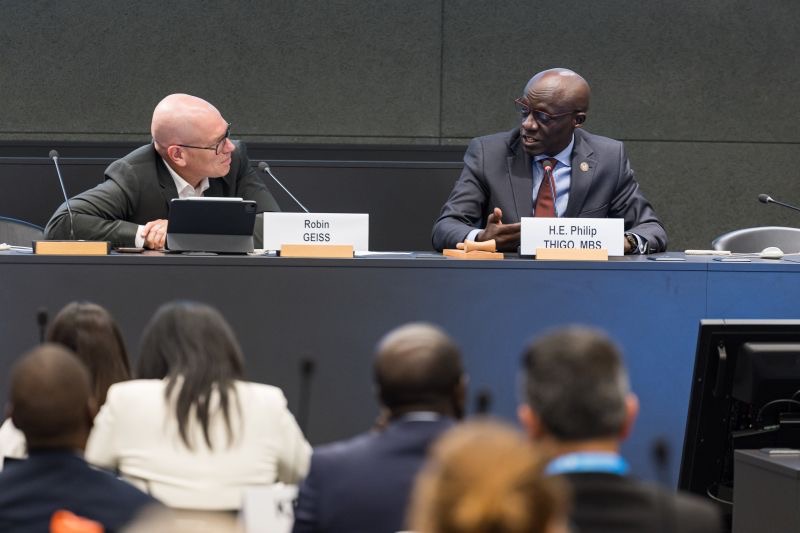
The announcement was made in Geneva by Philip Thigo, Kenya’s Special Envoy on Technology, during the AI, Security and Ethics Conference.
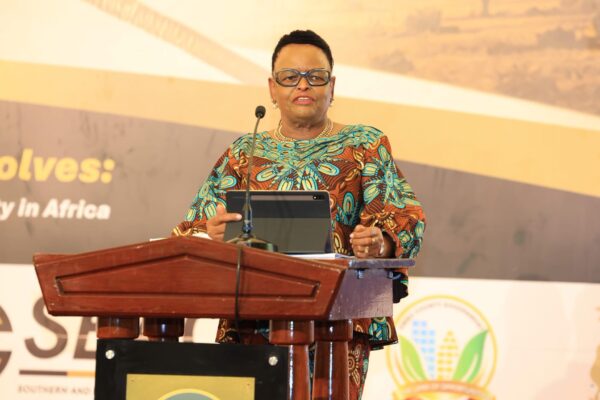
Speaking on behalf of Soipan Tuya, Ambassador Thigo said the summit will bring together governments, defence institutions, technology companies, researchers, academia and international organisations to discuss the practical implementation of responsible artificial intelligence in military operations.
“Kenya looks forward to welcoming the global community to Nairobi for this important conversation on AI, security and international peace and security,” he said.
The summit is expected to focus on translating global commitments on responsible AI into actionable frameworks that can be adopted by countries and defence institutions around the world.
The selection of Nairobi as host city represents a significant shift in global technology governance and international security discussions, which have traditionally been dominated by developed economies in Europe, North America and parts of Asia.
REAIM (Summit on Responsible Artificial Intelligence in the Military Domain) has become the leading international platform dedicated to addressing the opportunities and risks associated with military applications of artificial intelligence.
The summit seeks to establish shared principles, safeguards and governance mechanisms to ensure AI technologies are deployed in accordance with international humanitarian law and under meaningful human control.
Previous editions of the summit were held in The Hague in 2023, Seoul in 2024, and A Coruña in 2026.
By bringing the event to Africa for the first time, Kenya is positioning itself at the centre of global conversations on the future of defence technology, digital governance and international security.
Analysts view the move as recognition of Kenya’s growing influence in shaping international technology policy and advocating for greater participation of developing nations in the formulation of global AI standards.
Unlike previous summits that concentrated largely on principles and policy declarations, the Nairobi edition is expected to prioritise implementation.
According to Ambassador Thigo, the 2027 summit will focus on helping countries move from theoretical commitments to operational readiness.
The discussions will be anchored on four key pillars:
Countries, particularly in developing regions, will be supported in building technical expertise necessary to understand, test, audit and govern advanced AI systems. This includes strengthening local skills in software development, data science and AI governance.
Governments and defence establishments will explore ways of modernising regulatory structures and institutional frameworks to safely integrate emerging technologies into national security systems. The objective is to ensure adequate oversight, accountability and risk management mechanisms are in place.
The summit will also seek to strengthen collaboration among nations through trusted information-sharing mechanisms and coordinated governance approaches. Delegates are expected to discuss how countries can cooperate on AI security while safeguarding national interests and digital sovereignty.
A major emphasis will be placed on fostering collaboration between governments, military institutions, technology firms, academic researchers and international organisations. Experts argue that effective AI governance cannot be achieved by governments alone and requires broad participation from multiple sectors.
Kenya’s successful bid to host REAIM 2027 follows years of strategic investment in digital transformation and technology diplomacy.
The country recently launched its national artificial intelligence strategy aimed at guiding the development and deployment of AI technologies across various sectors of the economy.
Kenya has also played an active role in regional and global AI discussions, including hosting Africa-focused REAIM consultations that brought together representatives from 17 African countries to develop common positions on emerging technology governance.
The country has further contributed to international discussions through participation in United Nations initiatives focused on the safe, secure and trustworthy development of artificial intelligence.
Observers say Kenya’s increasing prominence reflects the broader rise of Nairobi as Africa’s leading technology hub, often referred to as the “Silicon Savannah” due to its vibrant innovation ecosystem and growing influence in digital policy.
The hosting rights come at a time when the international community is grappling with the rapid advancement of artificial intelligence and its implications for warfare, security and global stability.
As military organisations around the world increasingly adopt AI-enabled systems, concerns have grown regarding accountability, transparency and the potential misuse of autonomous technologies.
The Nairobi summit is expected to provide an important platform for addressing these challenges while ensuring that developing countries have a stronger voice in shaping the rules that will govern the future of military AI.
For Kenya, the event represents more than a diplomatic achievement. It signals the country’s emergence as a trusted convenor of global conversations on technology, ethics and security, while reinforcing Africa’s role in defining the future of responsible artificial intelligence.
When delegates gather in Nairobi in April 2027, the city will become the focal point of international efforts to ensure that advances in artificial intelligence contribute to peace, security and sustainable development rather than conflict and instability.