By Hassan Adan
Somalia is looking to Tanzania’s experience in developing a blue economy as it accelerates reforms under its East African Community (EAC) integration agenda, highlighting how institutional learning is becoming a key pillar of the country’s economic transformation plans.
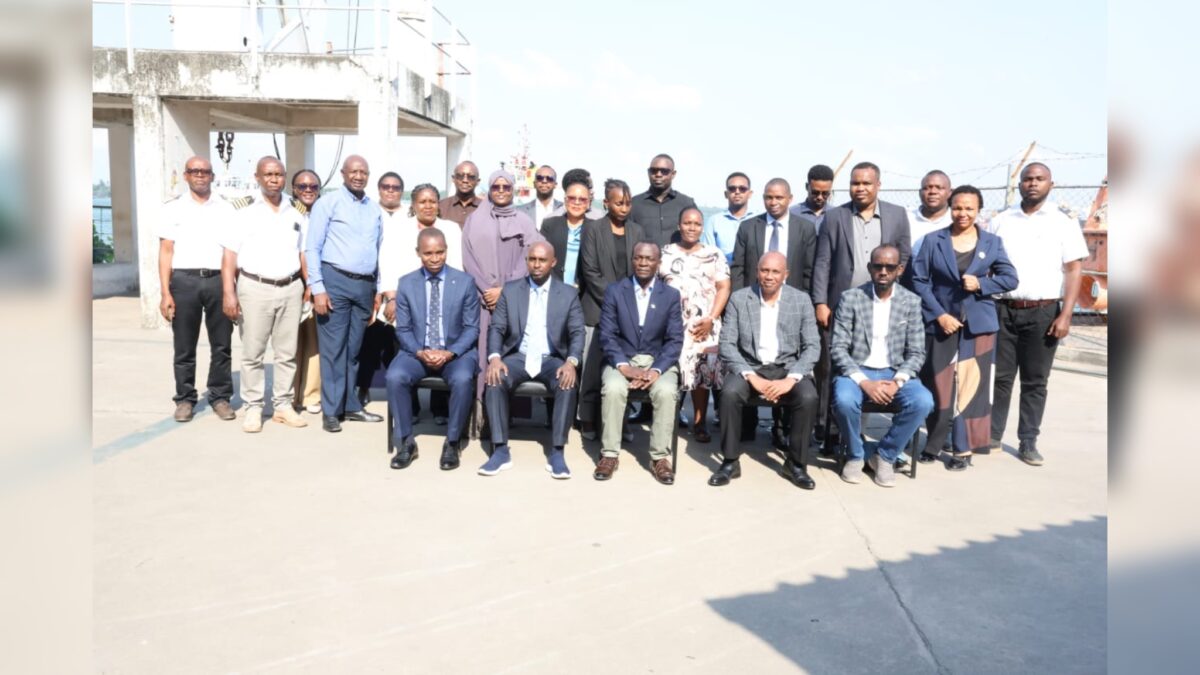
The two-day peer-learning mission, which brought an eight-member Somali delegation to Dar es Salaam, reflects Somalia’s growing emphasis on building the institutions and technical capacity needed to compete in regional markets and unlock the potential of its vast maritime resources.
The exchange comes at a pivotal moment for Somalia. Having joined the East African Community in 2024 as the bloc’s eighth member, the country is implementing an ambitious EAC Integration Roadmap alongside its National Transformation Plan (NTP) 2025–2029, which identifies the blue economy as a strategic sector for economic diversification, job creation, food security and regional trade.
For Somalia, integration into East Africa is proving to be about more than trade agreements and policy harmonization. It is increasingly becoming a process of institutional development and regional cooperation.
“Joining the East African Community is not only about signing agreements,” said Ahmed Sheikh Abdullahi Warsame, Director of Economic Integration at Somalia’s Ministry of Foreign Affairs and International Cooperation and head of the Somali delegation.
“It is about building institutions that can participate effectively in the Community. This exchange reflects Somalia’s commitment to learning from our regional partners, adapting best practices to our own context and strengthening cooperation that benefits the entire region,” he said.
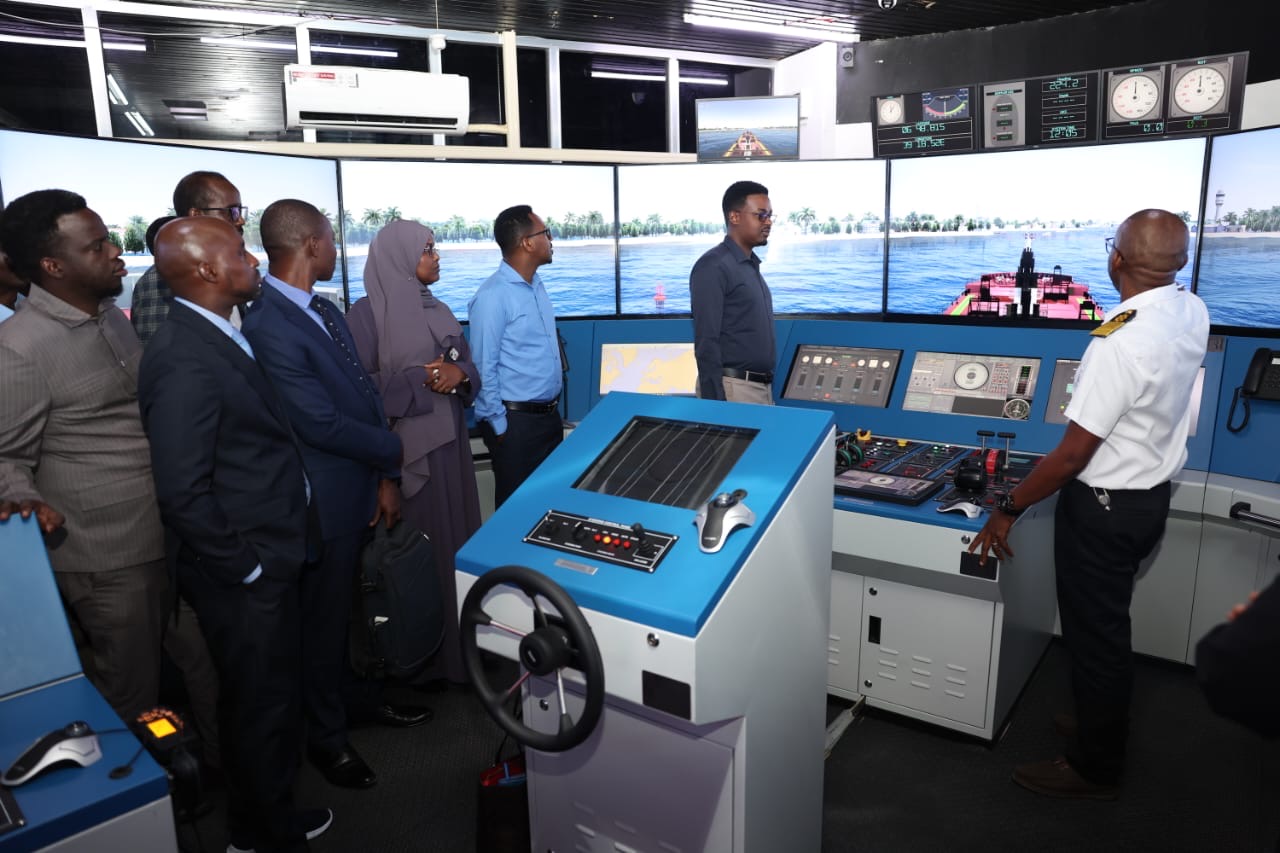
Somalia delegates examining Da salaam Marine Institute which supports one of the East Africa’s major transport hubs.
Somalia’s accession to the East African Community has opened new opportunities for cooperation across trade, infrastructure, education and economic development.
The regional bloc, which comprises some of East Africa’s fastest-growing economies, is increasingly placing emphasis on knowledge-sharing and institutional collaboration among its member states.
The peer-learning exchange illustrates how regional integration can extend beyond customs unions and common markets. For emerging and post-conflict economies such as Somalia, learning directly from neighbouring countries that have successfully developed key sectors may prove as valuable as access to larger markets.
The blue economy has emerged as one of Somalia’s most promising economic frontiers. With more than 3,300 kilometres of coastline—the longest on mainland Africa—the country possesses significant marine resources and occupies a strategic position along some of the world’s busiest maritime trade routes.
Yet decades of conflict, institutional fragility and underinvestment have prevented Somalia from fully harnessing its maritime potential. Fisheries, port development, marine transport and coastal industries remain largely underdeveloped despite their significant economic prospects.
The National Transformation Plan identifies fisheries and maritime trade as priority sectors capable of accelerating economic growth, strengthening food security, increasing exports and creating employment opportunities for Somalia’s youthful population.
Somalia’s efforts also coincide with a broader trend across Africa, where governments are increasingly investing in blue economy initiatives as a means of promoting sustainable economic development. Coastal nations across East Africa have introduced policies aimed at strengthening fisheries governance, expanding maritime infrastructure and improving the sustainable use of marine resources.
Tanzania has emerged as one of the region’s leading examples of blue economy governance. Its recent policy reforms, investments in maritime institutions and efforts to strengthen fisheries management have made it a valuable partner for countries seeking to develop their own maritime sectors.
During the exchange, Somali officials engaged with Tanzania’s leading institutions responsible for fisheries governance, marine conservation, maritime transport, ports, research and vocational education.
The Somali delegation also sought practical insights into how institutions are designed, financed and coordinated. Discussions covered institutional mandates, research systems, implementation challenges and mechanisms for managing marine resources sustainably.
At Tanzania’s fisheries research institutions, delegates observed how scientific evidence informs fisheries policy through stock assessments, ecosystem monitoring and laboratory analysis. They also explored how specialized training programs are preparing professionals in fisheries management, aquaculture and marine engineering.
Visits to fish-processing facilities provided lessons on value addition, quality standards and cold-chain infrastructure—critical components for improving competitiveness in regional and international markets.
The second day of the mission shifted attention to maritime transport and port governance. Somali officials examined Tanzania’s port operations, vessel traffic management systems and maritime coordination mechanisms that support one of East Africa’s major transport hubs.
Tanzanian officials also shared lessons from their own development journey, discussing policy achievements alongside continuing challenges such as climate change, financing constraints, marine spatial planning and post-harvest losses.
“Sharing Tanzania’s experience and expertise in the blue economy will contribute to strengthening institutional capacity and the sustainable utilization of marine resources in Somalia,” Amedeus Mzee, Acting Assistant Director for Trade, Investment and Productive Sectors at Tanzania’s Ministry of Foreign Affairs and East African Cooperation said.
The mission forms part of the Supporting Somalia on the Implementation of the EAC Integration Roadmap (SIREAC) initiative, which aims to support Somalia’s efforts to implement regional commitments and strengthen institutional capacity.
Analysts increasingly view peer-learning initiatives as an important tool for accelerating reforms in developing economies. Exposure to proven institutional models can help governments adapt successful approaches to their own national contexts while avoiding costly policy and implementation mistakes.
For Somalia, building a competitive blue economy will require more than investments in ports and fisheries. It will depend on strengthening governance institutions, expanding technical expertise, modernizing maritime regulations and creating an environment capable of attracting both public and private investment.
The Dare salaam exchange highlights a broader shift in East African regional integration—one in which knowledge-sharing is becoming as important as market access and infrastructure development.
As Somalia advances its integration agenda, its willingness to learn from neighboring countries may prove to be one of its most valuable assets. The country’s maritime ambitions will ultimately depend not only on the resources found along its coastline, but also on the institutions it builds to manage them.