NAIROBI– A Sh17.2 billion funding shortfall has put operations in Kenya’s arid and semi-arid lands (ASALs) at risk, with the State Department for ASALs and Regional Development warning that key services could grind to a halt in the 2026/27 financial year.
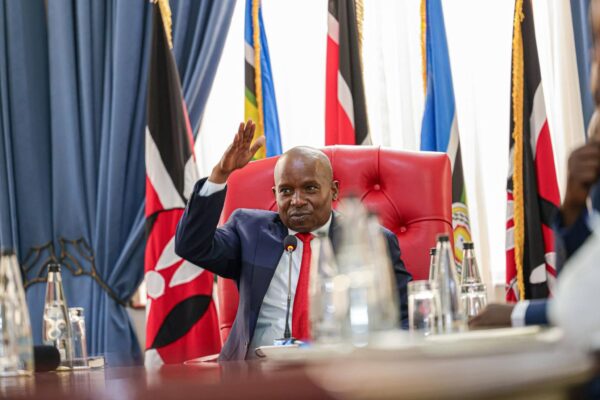
Appearing before the National Assembly Departmental Committee on Regional Development on Thursday, Principal Secretary Kello Harsama said the department requires Sh28.4 billion but has been allocated only Sh11.2 billion in the 2026 Budget Policy Statement.
“We urge the Committee to consider allocating additional funds to bridge the gaps,” Mr. Harsama said, cautioning that the deficit threatens service delivery in some of the country’s most vulnerable regions.
The department revealed that its headquarters has received no operational funding, despite requiring Sh250 million for core administrative functions, including the offices of the Cabinet Secretary and Principal Secretary. Critical areas such as vehicle replacement, office furnishing and foreign travel are also unfunded.
A further Sh240 million gap affects the National Drought Early Warning Information System, recently transferred to the department through an Executive Order. Monitoring and evaluation, communication and staff training remain unfunded, creating a recurrent deficit of Sh752 million.
Seven semi-autonomous agencies face a Sh1.7 billion shortfall for salaries and statutory obligations, with the Lake Basin Development Authority and the Coast Development Authority among the hardest hit.
Development projects are equally strained, with a Sh9.7 billion deficit threatening flagship initiatives.
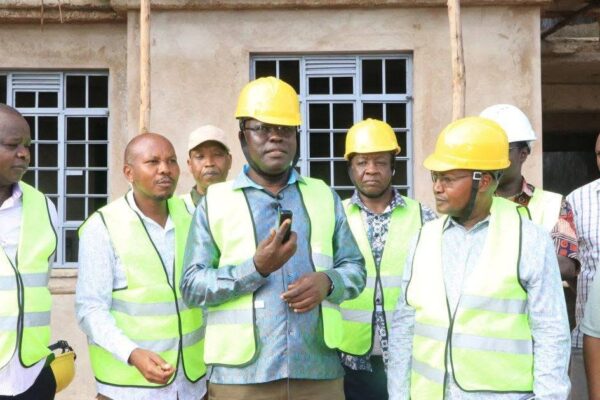
The Ewaso Ng’iro South Development Authority-led leather factory requires Sh478 million to complete key infrastructure, while pastoralist feedlot systems, fruit tree seedling production and irrigation schemes face severe funding gaps.
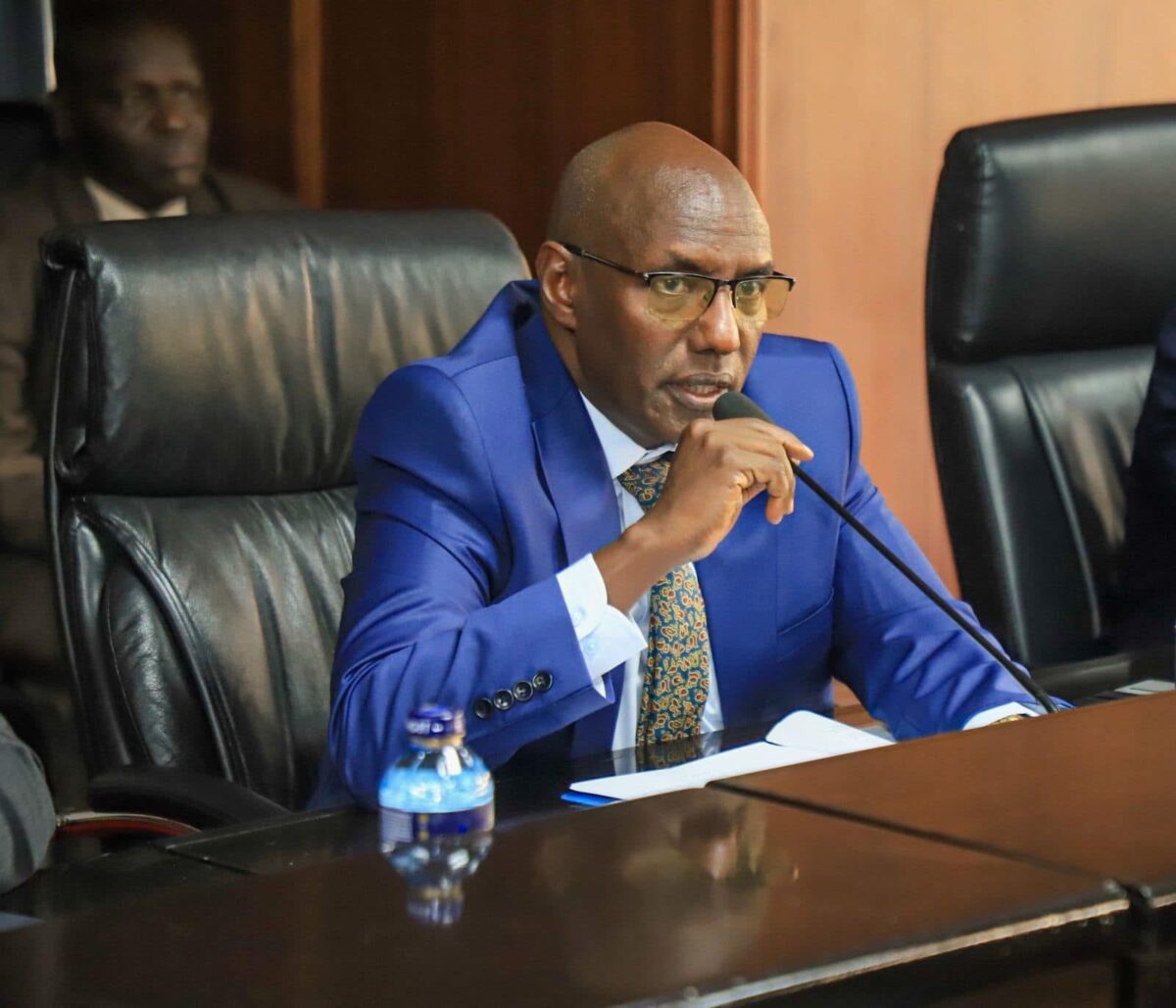
Committee chairperson, Hon. Peter Lochakapong sought clarification on how certain headquarters-implemented projects including the proposed production of five billion tree seedlings would be executed, noting they had earlier been earmarked for Regional Development Authorities.
He also questioned the department’s role in managing the Equalization Fund and why resources were being sought for ARTECT under the Office of the President.
In response, Mr. Harsama said ARTECT operates from State House and was established to restore peace in conflict-prone areas such as Turkana County and West Pokot County. He noted that discussions are ongoing on transferring the office to the department to enhance operational effectiveness.
The PS warned that underfunding has crippled Regional Development Authorities, some of which have resorted to bank overdrafts to pay staff after the National Treasury reduced allocations when their dissolution was proposed.
He cautioned that prolonged budget cuts could derail the government’s Bottom-Up Economic Transformation Agenda in ASAL regions as the Committee finalises its recommendations on the 2026 Budget.