The Middle East conflict is beginning to ripple through the global economy, with disruptions to supply chains and rising oil prices placing pressure on countries worldwide. Kenya, like much of Africa, is already feeling the strain, prompting swift government action to cushion the economy.
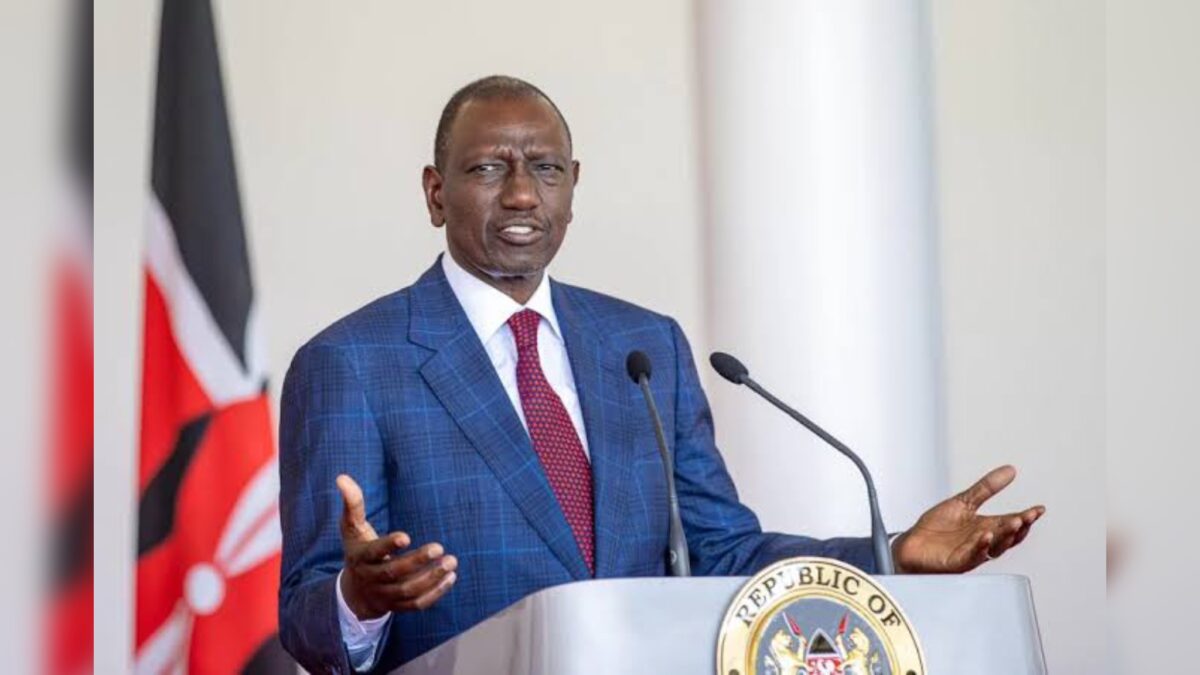
In a statement issued Tuesday, William Samoei Ruto said the government has been closely monitoring developments and coordinating responses across key sectors. The President revealed that he had received a comprehensive briefing from ministries responsible for energy, agriculture, trade, and finance, alongside the Central Bank and private sector stakeholders.
Fuel Supply Measures in Focus
Rising global oil prices remain a major concern, with potential implications for domestic fuel costs. However, Ruto said Kenya’s government-to-government fuel procurement arrangement has helped shield consumers from immediate price shocks.
“While the full impact on pricing is still being assessed, measures are in place to moderate adverse effects and ensure adequate supply,” he said.
The Ministry of Energy, working with the National Treasury, is expected to continue reviewing global fuel price trends and implement interventions where necessary.
Fertiliser Supply Stable
Despite concerns about global supply disruptions, the government assured farmers that fertiliser stocks remain sufficient to support the current rainy season through September. This comes as Kenya seeks to maintain agricultural productivity amid global uncertainty.
Tea Exports Show Resilience
Kenya’s tea sector has demonstrated resilience despite fears of reduced demand in some international markets. According to the latest data, 81 percent of tea offered for auction this month was sold, up from 75 percent in March last year.
Officials attribute this performance to diversification into new markets and stronger trade relationships.
Ports Register Increased Activity
Kenya’s logistics and trade infrastructure is also showing signs of strength. Activity has surged at the Port of Mombasaand the Port of Lamu, with the latter recording a notable increase in throughput.
More than 4,000 high-value motor vehicles destined for Gulf markets have been handled at Lamu for onward transshipment, highlighting Kenya’s growing role as a regional trade hub.
The government plans to deepen engagement with international logistics firms to capitalize on emerging opportunities and strengthen its global trade position.
Challenges in Meat Exports
Not all sectors have remained unaffected. Meat exports have faced setbacks due to logistical and freight challenges linked to the ongoing geopolitical tensions. Authorities say efforts are underway to identify alternative export solutions to support affected businesses.
Government Pledges Continued Vigilance
President Ruto reaffirmed the government’s commitment to closely monitoring the evolving situation and taking decisive steps to protect the economy.
“The Government remains vigilant and ready to act to safeguard the economic well-being of all Kenyans,” he said.
As global uncertainties persist, Kenya’s response underscores the delicate balance between external shocks and domestic economic stability.