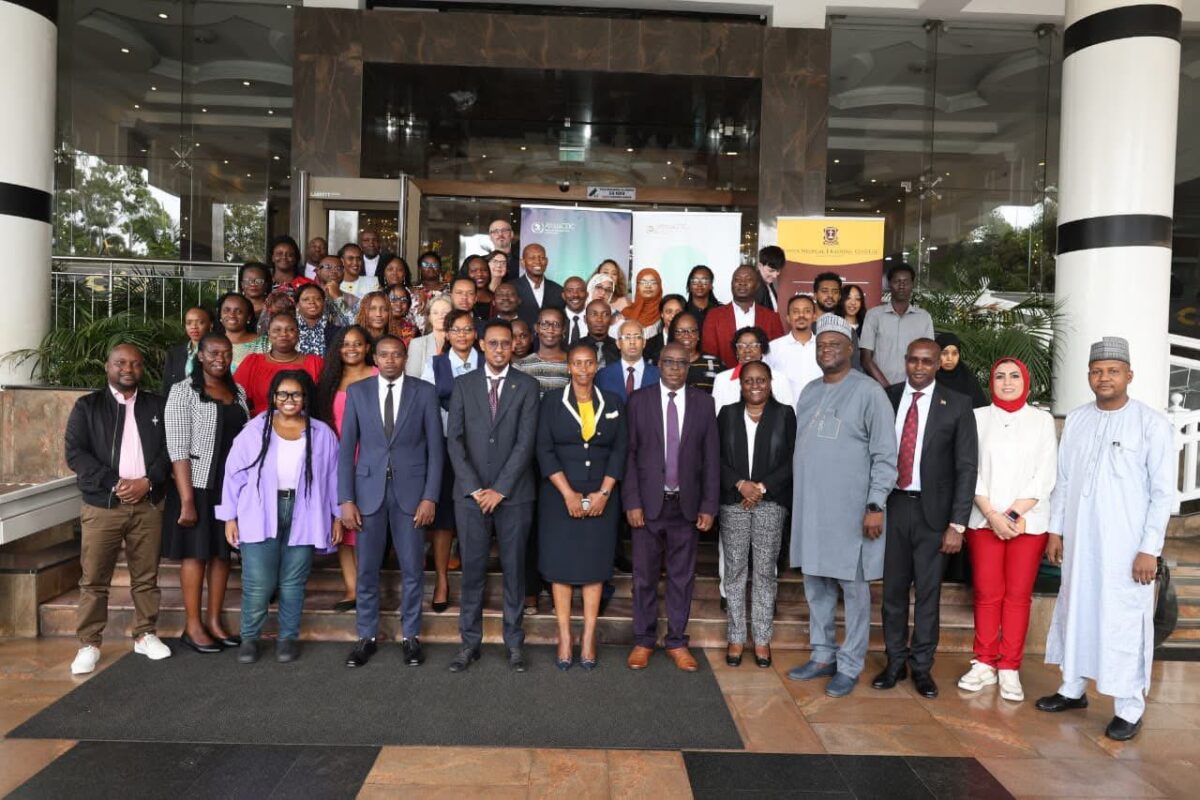
Kenya has taken a significant step in strengthening mental health leadership across Africa by hosting the second edition of the Mental Health Leadership Programme at the Kenya Medical Training College (KMTC), in partnership with the Africa Centres for Disease Control and Prevention.
The two-week training, running from April 20 to May 1, 2026, brings together participants from 17 African countries, positioning Kenya at the forefront of continental efforts to build a skilled mental health workforce and responsive health systems.
Presiding over the launch in Nairobi on Monday, April 20, 2026, Principal Secretary, State Department of Public Health and Professional Standards, Mary Muthoni, emphasised the urgency of investing in mental health systems, noting its central role in healthcare delivery.
“In Kenya, mental health remains a significant part of the health system. About one in four people seeking care has a mental health condition,” she said.
She highlighted Kenya’s progress in strengthening the policy and legal framework, citing the Mental Health (Amendment) Act, 2022, the Kenya Mental Health Policy, the Mental Health Action Plan, and workplace mental wellness guidelines.
She further pointed to the Primary Health Care Act of Kenya as a critical instrument that integrates mental health into primary healthcare, ensuring that services are accessible at the community level and embedded within routine care.
In a call for cultural change, the Principal Secretary urged Kenyans to seek help, noting that vulnerability is not weakness, adding that the Social Health Insurance Fund now includes a mental health package, signalling the government’s commitment to accessible care.
The KMTC Board Chairperson, Mr. Joseah K. Cheruiyot, noted that collaboration between KMTC, Africa CDC, Ministries of Health, development partners, and civil society is strengthening shared learning and advancing mental health systems across the continent.
KMTC CEO Dr. Kelly Oluoch highlighted the strategic importance of the programme and Kenya’s growing role in global health discourse. “This year’s cohort brings together participants from 17 African countries, creating a strong network of professionals who are ready to shape the future of mental health across the continent.”
He added, “The timing of this programme is important. It comes at a moment when Kenya will host the World Health Summit in Nairobi, placing the country at the centre of global and continental health conversations.”
Dr. Oluoch further outlined KMTC’s growing investment in mental health training, including a Centre of Excellence at Mathare Campus, programmes offered across seven campuses, and partnerships with organisations such as Johnson & Johnson, which have supported the training of over 200 health workers.
On the continental front, Africa CDC Head of Disease Control and Prevention Dr. Mohammed Abdulaziz described the partnership as both strategic and transformative.
“We were looking for the best training college in Kenya, and KMTC fit the profile of the institution we wanted to partner with. This partnership is critical for developing middle-level healthcare professionals with mental health skills.”
He revealed that Kenya is hosting the East African segment of five similar programmes across the continent and hinted at long-term integration, “We will discuss how to integrate this course into KMTC’s curriculum to support ongoing capacity development of mental health healthcare workers.”
The programme aims to equip mental health advocates and professionals with leadership skills to support the delivery of evidence-based prevention and care interventions.
According to the World Health Organisation, one in every eight people globally lives with a mental health condition, yet in many low- and middle-income countries, up to 75% of those affected receive no treatment. The gap is not only clinical but also structural, social, and deeply human.
The training targets psychiatrists, psychologists, psychiatric nurses, social workers, public health practitioners, policymakers, government officials, NGO leaders, researchers, academics, human resource professionals, and leaders in media and education.
….Ends