By Hassan Adan
Traders across the Somali capital on Tuesday stopped accepting the Somali shilling, effectively pushing the national currency out of everyday use in one of the last urban areas where it still circulated.
The shift was implemented rapidly across Mogadishu major markets, public transport and small retail outlets, leaving many residents—particularly low-income earners who depend on cash-struggling to pay for basic goods and services.
Some commuters said they were unable to board vehicles after attempting to pay in shillings. “I tried to get on public transport this morning, but the driver refused the money,” Osman Odowaa said. “I had no other option and was left stranded.”
Merchants in the city said the decision was driven by the deteriorating quality and declining value of the currency.
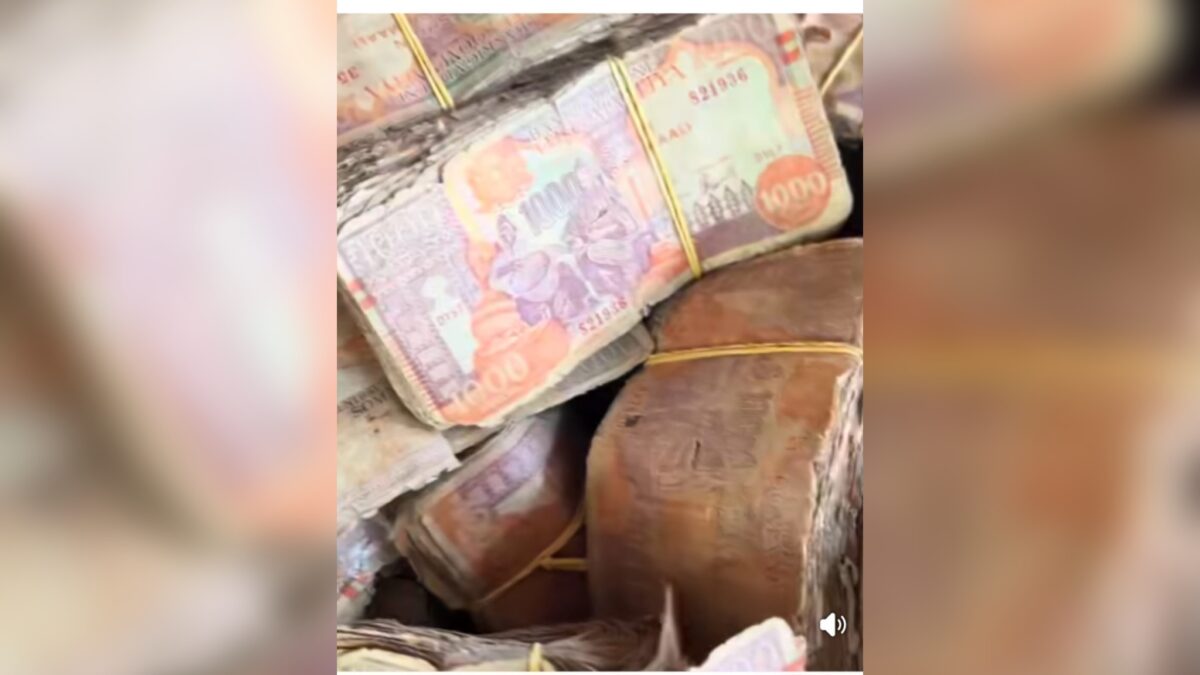
Many of the notes in circulation are visibly worn, torn and difficult to handle, they said, adding that there is no functioning system to replace damaged banknotes.
“If you bring shillings today, you cannot buy anything,” one trader said. “People want U.S. dollars or mobile payments.”
Somalia’s economy has long relied heavily on the U.S. dollar and digital payment platforms both urban and Rural areas. However, Mogadishu had remained one of the few places where small-denomination Somali shillings were still used, mainly by poorer households for daily transactions.
In contrast, most other regions across Somalia rarely use the Somali shilling in daily commerce. Instead, transactions are largely conducted in U.S. dollars through mobile money services such as EVC Plus and E-Dahab, reflecting the country’s deep reliance on electronic payments.
Economists say the move reflects deeper structural issues, including inflation, declining public confidence in the currency and the absence of new banknote issuance.
Somalia has not undertaken a comprehensive currency reform for decades, and most of the notes in circulation date back many years, with significantly reduced purchasing power.
The sudden rejection of the shilling is likely to intensify pressure on authorities, including the Federal Government of Somalia and the Banadir Regional Administration, to clarify monetary policy and address the future of the national currency.
Analysts warn that the shift could widen inequality, as access to U.S. dollars and mobile money services remains uneven.
While digital payments are widespread in cities, many low-income residents still rely on physical cash, leaving them vulnerable to abrupt changes such as this.
The development highlights growing concerns about financial inclusion and economic governance in Somalia, as the increasing reliance on foreign currency and electronic payments continues to shape everyday economic activity.