By Hassan Adan
The United Nations Transitional Assistance Mission in Somalia has called on Somali journalists to play a leading role in countering hate speech and protecting human rights during the country’s tense election period, as recent arrests of reporters and social activists intensify concerns over press freedom in the Horn of Africa nation.
In a statement , the U.N. mission warned that hate speech during elections can fuel violence, deepen political divisions and threaten the rights of vulnerable communities, stressing that the media has a critical role in ensuring public debate remains peaceful and factual.
“Election-related hate speech is prohibited under international human rights law, and media professionals have a vital responsibility to prevent language that could place communities at risk,” the mission said.
The right to participate in genuine elections is recognized by international human rights law, and a safe and enabling human rights environment is essential for genuine elections – but hate speech can present a threat to the enjoyment of these rights.
As part of its support for… pic.twitter.com/bJ324DlnWB
— UNTMIS (@UNTMIS_) May 7, 2026
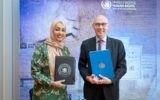
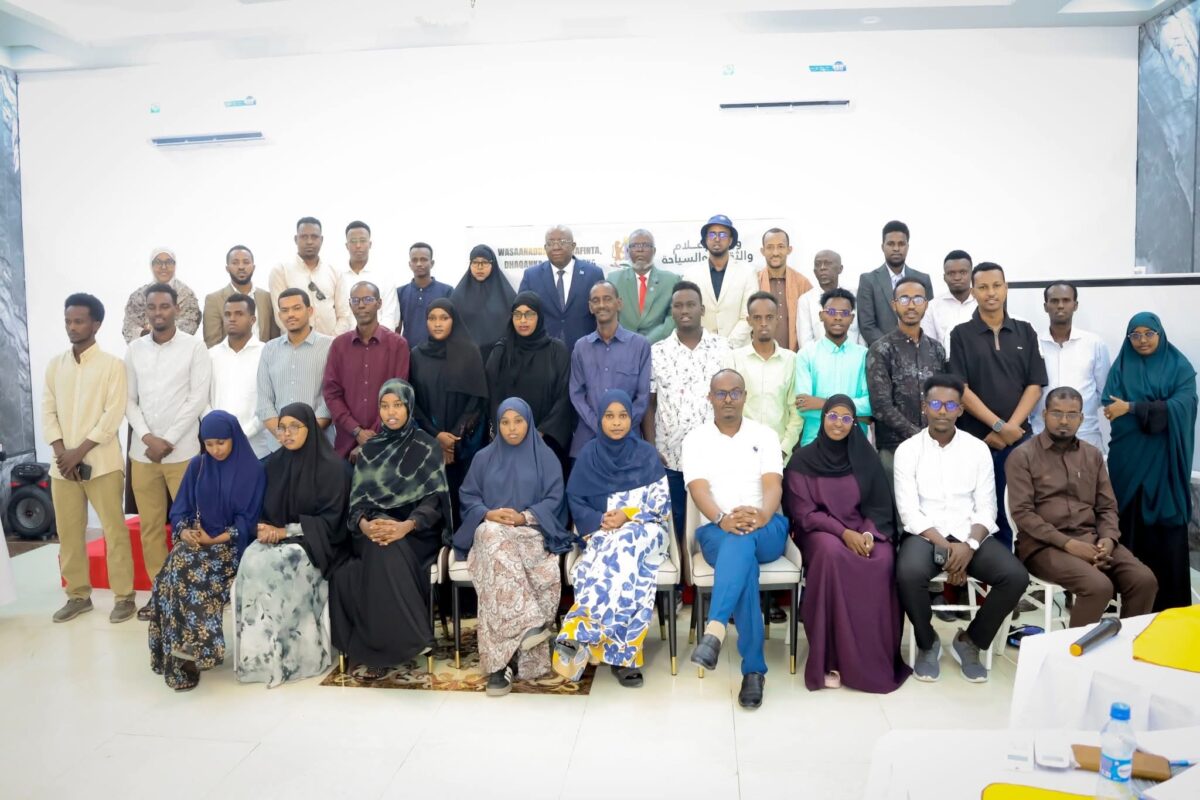
Working alongside Somalia’s Ministry of Information, UNTMIS said it organized a two-day training programme in Mogadishu for 35 journalists from 21 media organizations, focusing on ethical reporting, human rights standards and identifying incitement during election coverage.
The workshop comes at a politically sensitive moment for Somalia, where disputes over constitutional deadlines, electoral arrangements and forced evictions have triggered growing public protests and intensified scrutiny of the government’s treatment of independent voices.
In recent weeks, rights groups and media organizations have raised alarm over what they describe as a widening crackdown on journalists and activists critical of the government.
Last month, international rights organizations called for the release of social activist Sadia Moalim Ali, who was arrested in Mogadishu after posting online criticism of corruption, forced evictions and economic hardship.
Press freedom groups have also documented a rise in detentions of journalists in the capital.
According to local media monitors, at least 15 journalists were detained within 48 hours in Mogadishu while covering public opinion and political developments, with security agencies accused of confiscating equipment and obstructing reporting.
Media watchdogs say the pressure has continued into 2026, warning that Somalia’s election season is unfolding in an increasingly restrictive environment marked by intimidation, arbitrary arrests and growing political polarization.
The issue drew renewed international attention after security agencies were accused of detaining journalists who covered forced evictions in Mogadishu and later restricting access to opposition political gatherings, incidents opposition leaders say reflect shrinking democratic space.
“By strengthening journalists’ understanding of human rights-based reporting, we aim to support peaceful elections and ensure public debate remains free from incitement, fear and discrimination,” the U.N. mission said.
With Somalia facing a constitutional deadline on May 15 and political tensions rising between Mogadishu, opposition leaders and regional administrations, diplomats say independent journalism may prove decisive in preventing misinformation, political incitement and a repeat of previous electoral crises.