By Hassan Adan
MOGADISHU- Somalia’s National Independent Electoral and Boundaries Commission has challenged a move by Mogadishu’s mayor to remove several district commissioners, saying the action contravenes the constitution and electoral laws at a sensitive stage in the country’s political transition.
In a statement issued late Thursday, the commission said local councils in the Banadir region were lawfully elected during municipal polls held on Dec. 25, 2025, and officially assumed office on April 2 this year after members were sworn in.
The commission said the authority to elect district commissioners and their deputies lies exclusively with the newly elected local councils under Somalia’s federal constitution and national electoral legislation, not with the office of the Banadir regional administration.
“Any administrative decision that contradicts the constitution and the electoral law is unlawful and cannot alter the legal framework governing the establishment of district administrations in Banadir region,” the commission said.
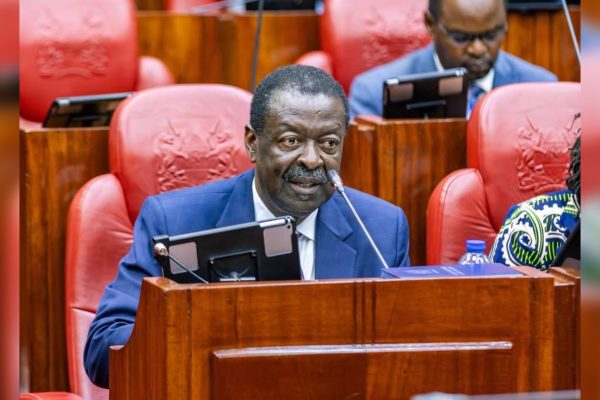
The statement followed reports that Mogadishu Mayor Hassan Mohamed Hussein Muungaab had ordered the dismissal of district commissioners in Deyniile, Shangaani and Gubadley districts, a move that has triggered fresh debate over institutional authority in the capital.
The commission said the current district administrations were serving in a transitional capacity and were mandated only to facilitate an orderly transfer of power to officials elected under the new local governance framework.
The dispute comes as Somalia implements one of its most significant electoral reforms in decades, aimed at expanding democratic participation and gradually moving away from the clan-based power-sharing model that has dominated the country’s political system.
Earlier this year, 390 members of the newly elected Banadir Regional Council were sworn into office, representing Mogadishu’s 16 districts and 20 political parties in what officials described as a milestone toward broader electoral representation.
Political analysts say the standoff highlights growing tensions over the implementation of Somalia’s new electoral architecture, as institutions test the limits of their constitutional mandates during a broader transition toward universal suffrage and decentralized governance.
In recent years, the federal government has pushed electoral and governance reforms with support from international partners, arguing that stronger local institutions are essential to long-term political stability, democratic consolidation and state-building in the Horn of Africa nation.