By Hassan Adan
Somalia’s Ministry of Justice and Constitutional Affairs has announced plans to regulate marriage officiants, restricting the solemnisation of marriages to judges and officially registered ma’duuns, as questions over marriage and family documentation feature in a high-profile dispute in Gaalkacyo that left seven people dead and scores others injured
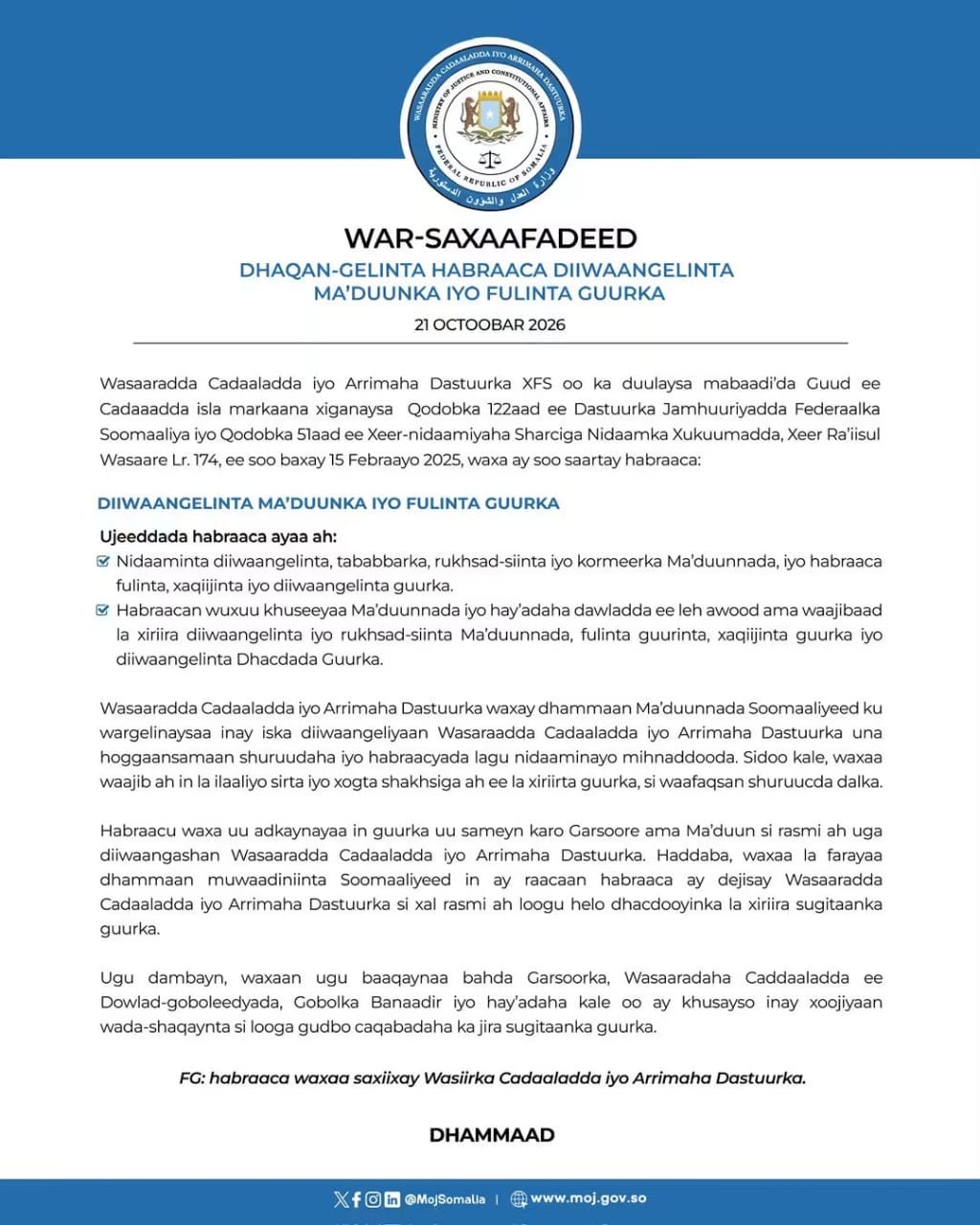
In a statement issued on Wednesday, October 21, the ministry said the registration of marriage officiants would be undertaken in cooperation with the Federal Government, the Banadir regional administration and federal member states.
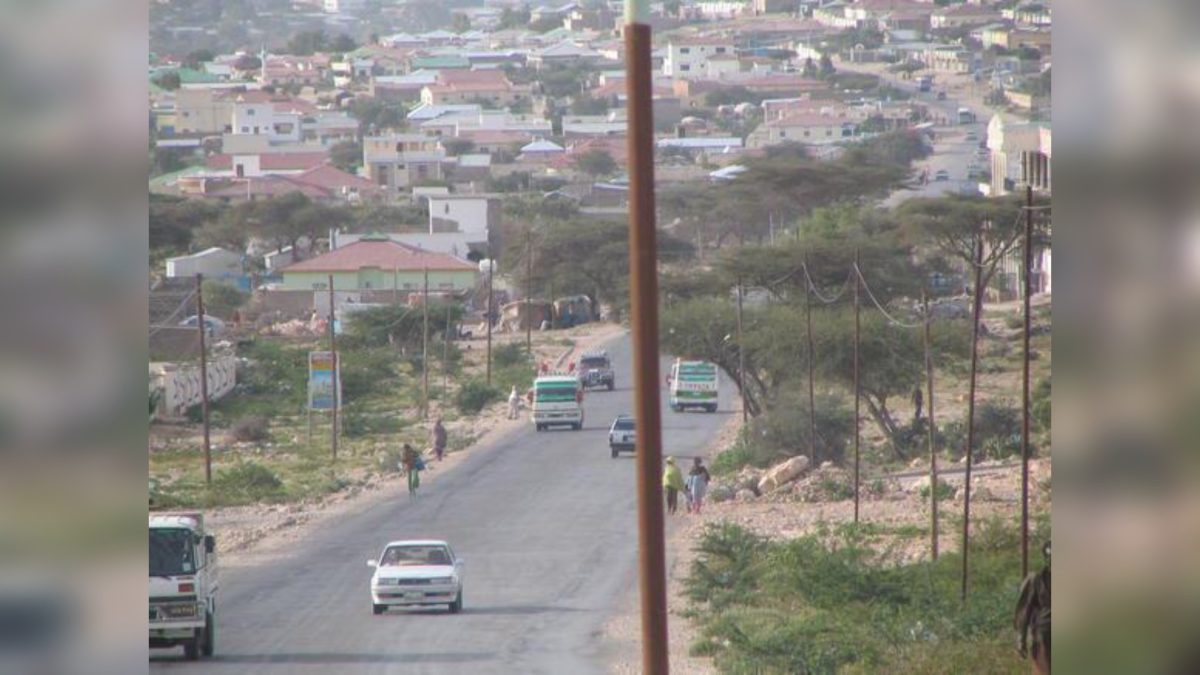
The announcement came a day after a court in Gaalkacyo, Puntland State, ruled that a 16-year-old boy’s father was Libaan Xaaji Tahliil, ending a two- Year dispute between two men over the boy’s paternity that reportedly left seven people dead and more than 20 others injured.
The court’s ruling on Tuesday, October 20, recognised the boy as Mohamed Libaan Tahliil Xaaji Aadan and rejected Faarax Cawil’s claim.
The ministry said its new registration framework would cover the appointment, authorisation and oversight of marriage officiants, as well as the registration and documentation of marriages.
A ma’duun is a person authorised to solemnise Islamic marriages.
The government said the initiative was intended to establish clear procedures for authorising marriage officiants and strengthen oversight of marriage registration across the country.
The ministry cited Article 122 of Somalia’s Provisional Constitution and Article 5 of the Law on the Administration of Sharia Courts, alongside Ministerial Order No. 174 issued on February 15, 2025.
The registration process is expected to involve coordination between federal and regional authorities.
The statement did not specify when the registration system would be fully implemented or detail penalties for conducting marriages without the required authorisation.
The announcement comes against the backdrop of a bitter family dispute in Gaalkacyo that drew public attention after a court began hearing the case of a boy whose paternity had been contested by two men.
According to local sources, the dispute had persisted for years and triggered deadly violence that claimed seven lives and left 21 people injured.
The boy’s mother, Xaliimo Yuusuf Maxamed, told the court that she had married Libaan Xaaji Tahliil in July 2006 before they separated in July 2010.
She said she subsequently married Faarax Cawil in October 2010 and separated from him in 2013.
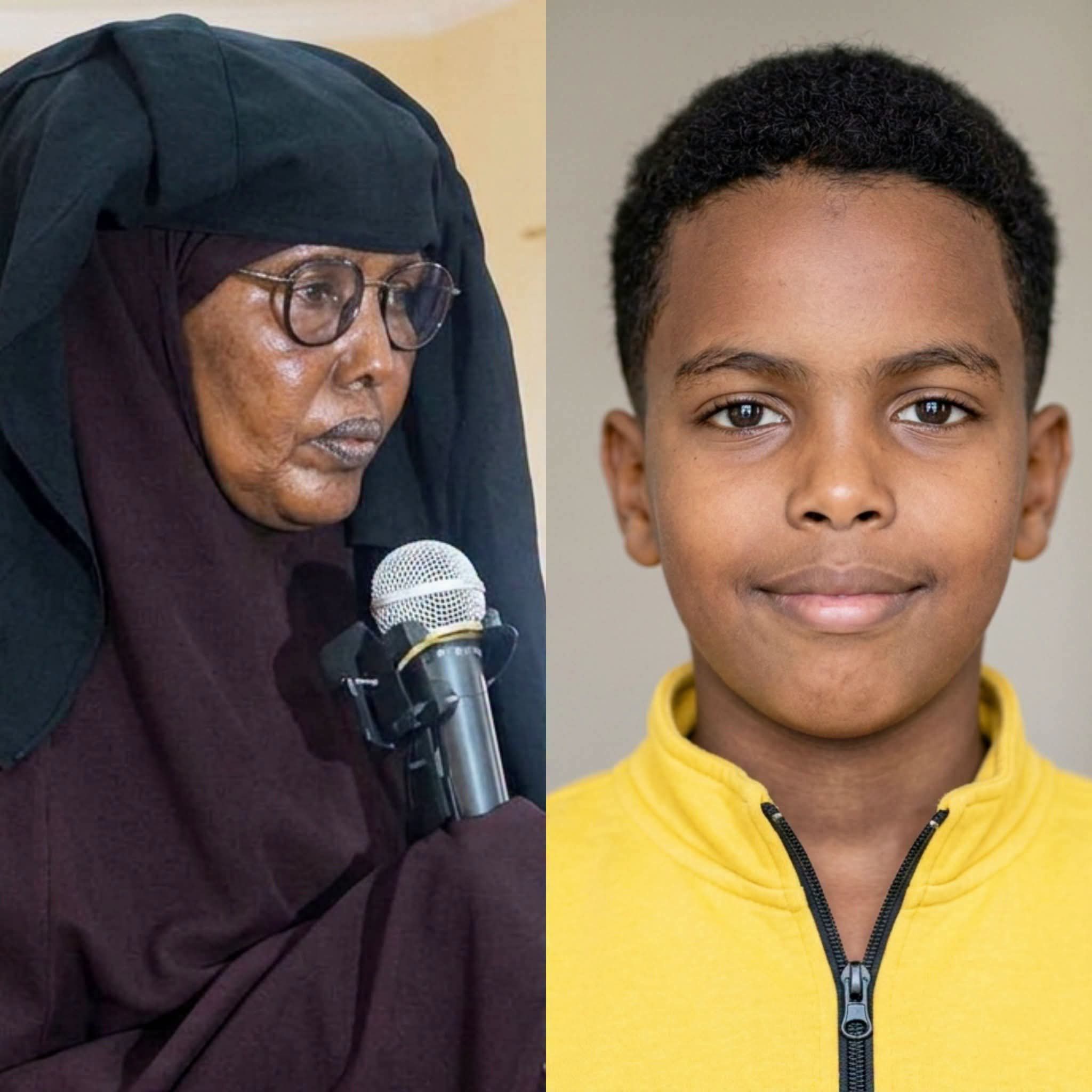
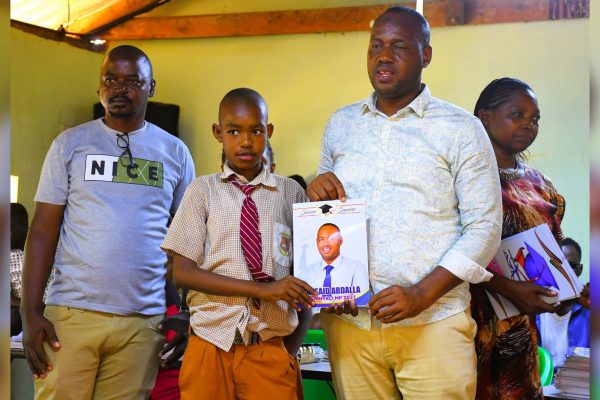
Xaliimo Yuusuf Maxamed and her son, Mohamed Libaan Tahliil Xaaji Aadan, whose paternity was disputed by two men. On tuesday a court in Gaalkacyo has ruled that Libaan Xaaji Tahliil is the boy’s father.
During the proceedings, the court heard testimony from witnesses representing the two sides and considered evidence presented by their lawyers.
The court also contacted the boy by telephone, through which he identified himself as the son of Libaan Tahliil Xaaji, according to the court papers.
After three days of hearings, the court announced its decision on October 20, recognising Libaan as the boy’s father and rejecting Cawil’s claim.
The judges also called on the parties and the wider Mudug community to preserve peace and social cohesion following the ruling.
The Justice Ministry’s announcement establishes a framework for registering those authorised to solemnise marriages and documenting marital relationships.
Somalia, a predominantly Muslim country, follows Islamic traditions in marriage, with a sheikh or an authorised marriage officiant known as a ma’duun commonly presiding over the ceremony.
The Islamic marriage contract, known as nikah, is concluded between the bride and bridegroom in accordance with Islamic law, with the consent of both parties and witnesses present.
Traditionally, witnesses from both families attend the ceremony, while the officiant guides the proceedings, confirms the parties’ consent and oversees the marriage contract, including the agreed mahr (marital gift) from the groom to the bride.
The officiant may also document the marriage, providing a record that can help establish the marital relationship if a dispute arises.
Somalia’s Ministry of Justice is now seeking to formalise the registration of marriage officiants, with the aim of strengthening oversight and the documentation of marriages.