By Hassan Adan
As Somalia takes its next steps inside the East African Community, digital trade, smart borders and modern payment systems are emerging as central pillars of its regional integration agenda.
A high-level Somali delegation has returned from Kenya with practical lessons on customs modernisation, digital financial infrastructure and coordinated border management that could help shape the country’s participation in one of Africa’s fastest-growing economic blocs.
The two-day Peer Learning Exchange Programme, held in Nairobi and Namanga from June 22 to 23, 2026, brought together senior representatives from government institutions, financial authorities, academia and the private sector to study Kenya’s experience in turning regional integration commitments into practical systems.
Led by Mohamed Issak Ibrahim, Director General of East African Community Affairs at Somalia’s Ministry of Foreign Affairs and International Cooperation, the delegation explored how digital innovation is transforming trade, payments, customs administration and cross-border mobility across East Africa.
“Regional integration is not simply about joining institutions; it is about building systems that enable people, businesses and governments to connect efficiently and competitively across borders,” said Ibrahim.
Somali officials say the real work of integration lies in strengthening institutions, harmonising regulations and investing in modern digital infrastructure.
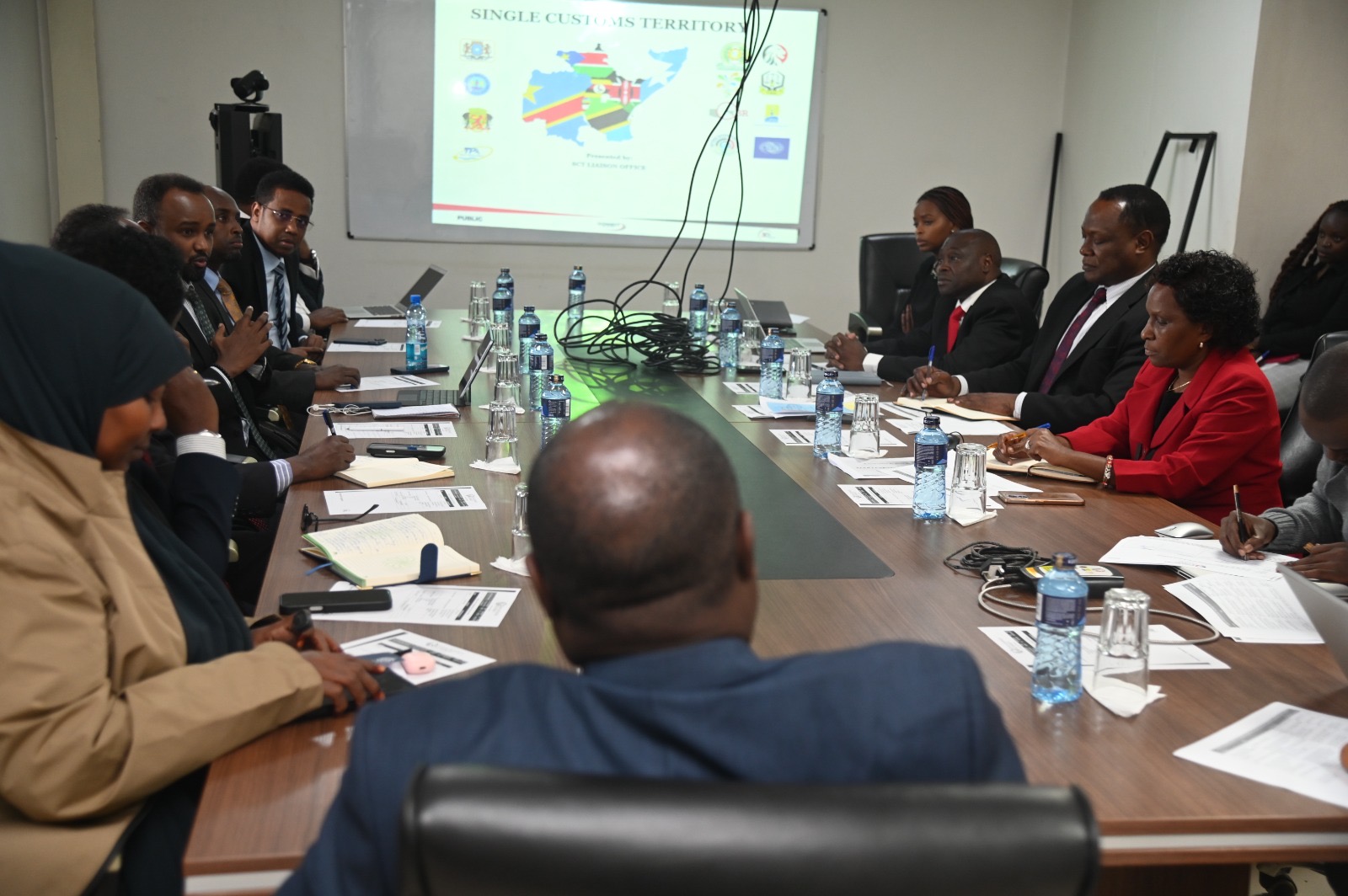
Participants attend a peer-learning session in Nairobi, Kenya, during the Somalia-Kenya exchange programme on digital trade, smart border management and regional payment systems held from June 22 to 23, 2026.
The mission exposed delegates to Kenya’s coordinated approach to implementing the four pillars of EAC integration: the Customs Union, Common Market, Monetary Union and Political Federation.
The visit came as Somalia continues to implement its EAC Integration Roadmap following its admission into the bloc in 2023.
A major focus of the mission was digital financial infrastructure. At the Central Bank of Kenya, the delegation learned about Kenya’s National Payment System and the East African Payment System, which enables cross-border transactions in local currencies. Discussions also covered digital identity, cybersecurity, payment interoperability, API-led financial services and real-time data exchange.
Somalia shared its own progress in developing a national QR-code payment framework and strengthening its domestic digital payment ecosystem, demonstrating that the country is building important foundations for financial modernisation.
“The future of regional trade depends as much on digital connectivity as on physical infrastructure. Efficient payment systems are becoming the backbone of economic integration,” Ibrahim said.
At the Kenya Revenue Authority, Somali officials witnessed how digital transformation has improved customs efficiency.
The East African Community’s Single Customs Territory has reduced cargo transit times along regional corridors from several weeks to just a few days through integrated procedures and electronic information sharing.
The delegation received demonstrations of Kenya’s Integrated Customs Management System and the Regional Electronic Cargo Tracking System, technologies that enable real-time cargo monitoring and reduce delays, fraud and unnecessary administrative burdens.
The experience reinforced a growing reality: modern customs systems are increasingly about facilitating legitimate trade rather than merely collecting revenue.
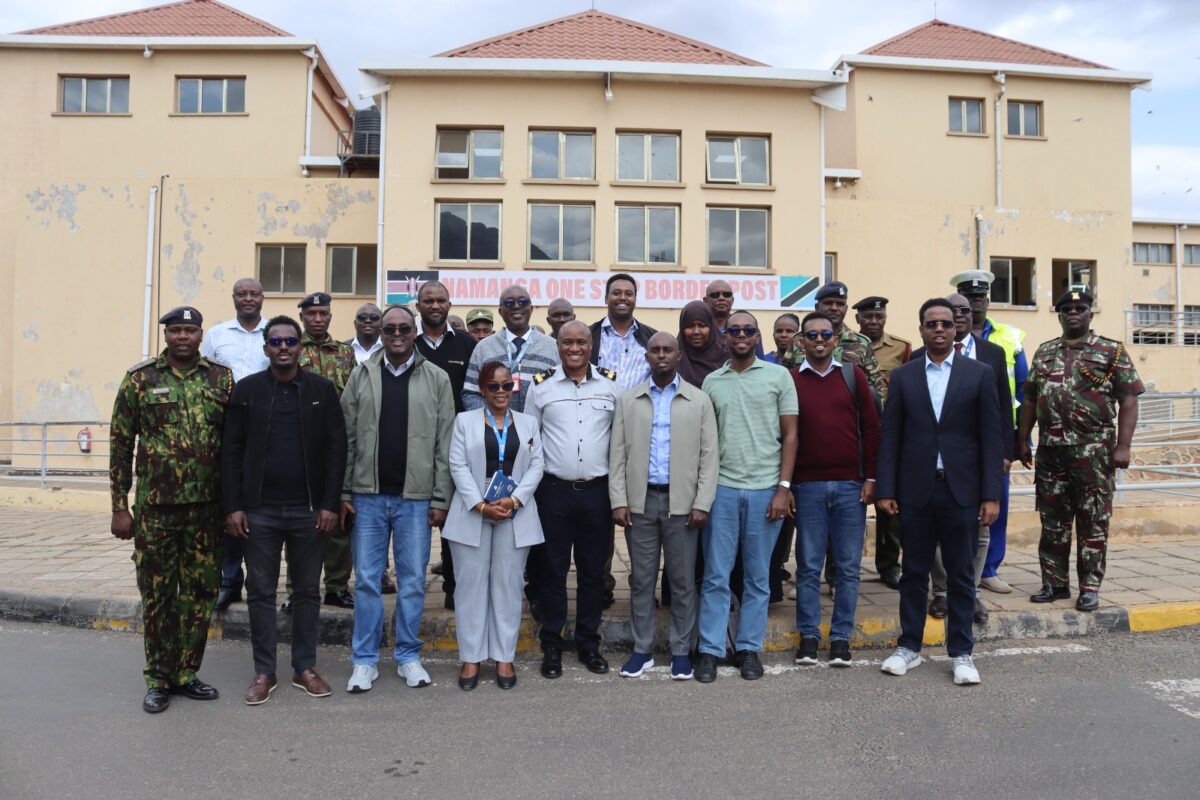
The delegation also visited the Namanga One-Stop Border Post on the Kenya-Tanzania border, where more than 20 government agencies work within a single coordinated system, sharing technology, facilities and information to process approximately 250 cargo trucks every day.
The model has significantly reduced waiting times, lowered transport costs and improved compliance through integrated digital systems.
For many participants, Namanga offered a glimpse of what future border management could look like across the Horn of Africa.
Supported by GIZ and the EAC Secretariat, the programme demonstrated the growing importance of peer learning as African countries deepen regional cooperation.
Experts from SIMAD University also took part in the programme, providing technical support and helping facilitate discussions on Somalia’s EAC integration priorities. Their participation added an academic perspective to the exchange, particularly on evidence-based policy, institutional learning and cross-sector collaboration.
The knowledge gained is expected to support Somalia’s ongoing reforms in customs modernisation, digital trade governance, payment interoperability and border management.
As East Africa increasingly embraces digital integration, Somalia’s efforts reflect a broader continental movement toward smarter institutions, seamless trade and shared prosperity.
The journey toward regional integration may begin with political agreements, but its success ultimately depends on innovation, cooperation and the willingness to learn from neighbours that have already travelled part of the road.