NAIROBI- The State Department for Arid and Semi-Arid Lands (ASALs) and Regional Development has appealed to Parliament for urgent intervention after suffering budget cuts amounting to more than KSh500 million in the 2026/27 financial year estimates, a move officials warn could cripple drought mitigation, irrigation, food security, and regional development programmes across vulnerable parts of the country.
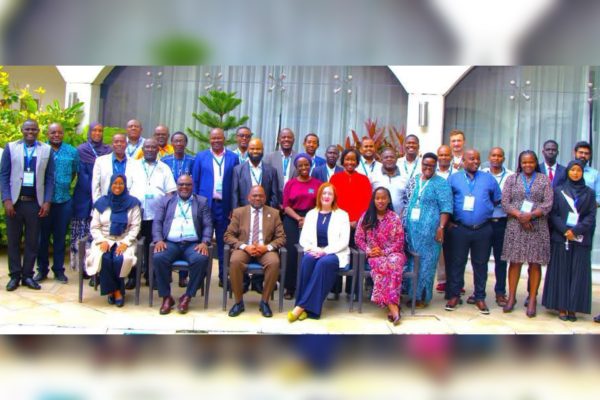
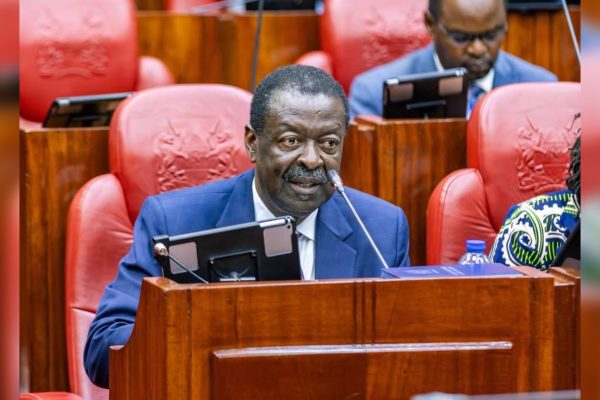
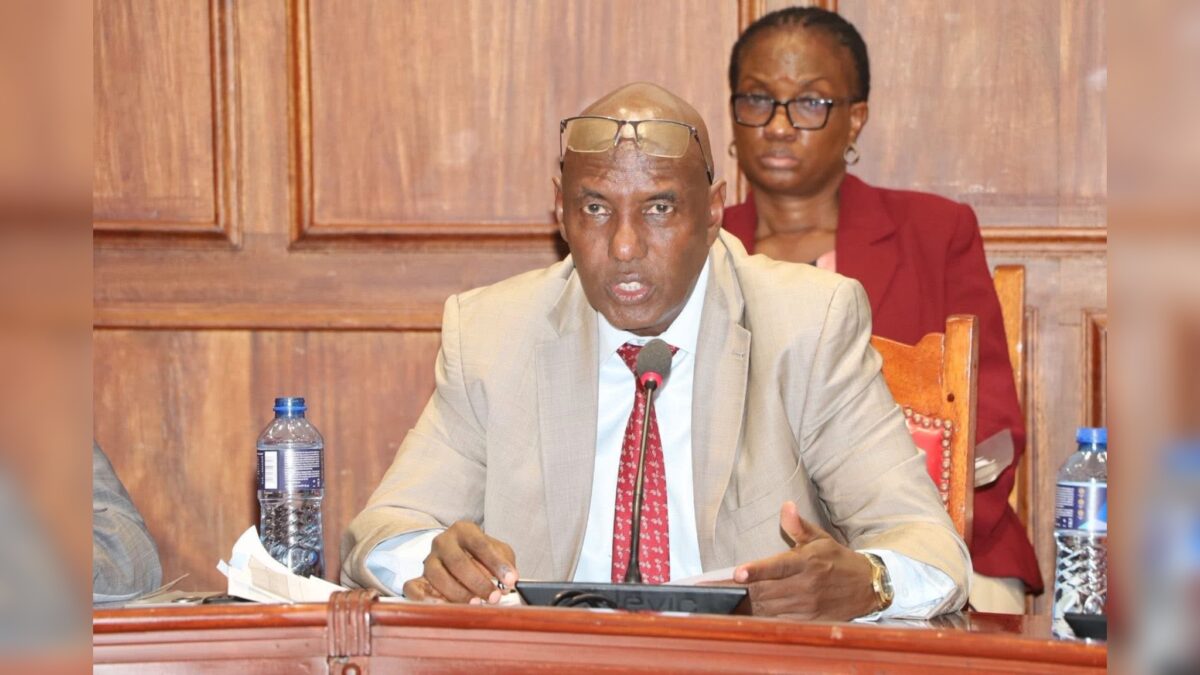
Appearing before the Departmental Committee on Regional Development chaired by Hon.Peter Lokachapong (Sigor) on Wednesday at Parliament Buildings, Principal Secretary Kello Harsama painted a grim picture of a department struggling to execute its mandate amid shrinking allocations and rising operational demands.
The State Department’s budget allocation dropped from KSh11.267 billion under the 2026 Budget Policy Statement to KSh10.287 billion in the annual estimates. The recurrent budget was reduced by KSh150 million while the development allocation declined by KSh352 million.
“The reduction further worsens an already constrained budget and directly undermines our ability to deliver essential services to communities living in ASAL regions,” Harsama told the committee.
“These are not ordinary programmes. We are dealing with drought response, water access, irrigation infrastructure, food security interventions, peacebuilding initiatives, and livelihoods for millions of Kenyans living in vulnerable regions. Any reduction in funding has immediate consequences on people’s lives,” he added.
The PS made a passionate appeal to Parliament to summon Treasury officials to explain what he termed as deliberate failure to support programmes already sanctioned by the Executive.
“I want this Committee to summon the Principal Secretary to the National Treasury to explain why Treasury is failing to comply with the Presidential Executive Order that created and transferred some of these functions to our department,” Harsama said.
“It is difficult for us to understand how an agency can be established through a Presidential Executive Order but denied the operational resources needed to function. Treasury must explain why they are frustrating implementation and, in effect, sabotaging operations of the department through persistent underfunding,” he added.
Among the most affected agencies is the National Drought Management Authority (NDMA), whose recurrent allocation was reduced by more than KSh154 million. Regional development authorities including the Tana and Athi Rivers Development Authority (TARDA), Lake Basin Development Authority (LBDA), Ewaso Ng’iro North Development Authority (ENNDA), and the Coast Development Authority (CDA) also suffered significant cuts.
The PS disclosed that the Department’s headquarters operations currently face a funding deficit of KSh417 million, affecting critical services including monitoring and evaluation, GIS data collection, ICT infrastructure, communication services, and administrative operations in the offices of the Cabinet Secretary and Principal Secretary.
PS Harsama further requested Parliament to approve an additional KSh240 million for the North and Northern Kenya Development Initiative (NEDI), a function transferred to the Department through Executive Order No. 1 of 2025 without accompanying operational funding.
“Parliament approved the Executive Order and the functions were formally transferred. However, the resources did not follow the function. This has left us with a constitutional mandate but without the finances needed to implement it,” he said.
The Department also appealed for KSh2.4 billion to operationalize the ATEKER Integrated Development Programme, a regional peace and integration initiative targeting border communities in Turkana, West Pokot, Busia, Uganda, South Sudan, and Ethiopia’s South Omo region.
According to the PS, the programme seeks to address insecurity, cattle rustling, proliferation of illicit arms, and competition over scarce natural resources.
“We cannot talk about sustainable development in Northern Kenya without investing in peace and regional integration. The ATEKER programme is not just a development project; it is a security and stability intervention for the entire region,” PS Harsama noted.
The Committee heard that seven Semi-Autonomous Government Agencies (SAGAs) under the State Department are grappling with personnel funding shortages totaling more than KSh602 million.
The affected agencies include NDMA, TARDA, Kerio Valley Development Authority (KVDA), LBDA, CDA, ENSDA, and ENNDA.
TARDA alone requires an additional KSh214.8 million to meet salary obligations while KVDA faces a shortfall of KSh141.2 million. Officials warned that failure to address the deficits could trigger labour disputes, litigation, statutory penalties, and operational paralysis.
The PS also raised concern over the underfunding of the Hunger Safety Net Programme (HSNP), a flagship social protection programme supporting vulnerable households in ASAL counties.
The programme requires KSh8.97 billion but has only been allocated KSh4.27 billion, leaving a deficit of KSh4.7 billion.
“This programme is a lifeline for vulnerable families in drought-prone areas. If we fail to adequately finance it, we risk reversing years of gains made in adaptive social protection and drought resilience,” Harsama warned.
The Kenya Drought Early Warning System, which monitors drought conditions across 32 ASAL counties, is also facing a KSh12 million funding gap.
Several key BETA-linked projects are similarly under threat, including the Kenya Social and Economic Inclusion Project II (KSEIP II), the Ewaso Ng’iro Leather Factory project, the Northern Kenya Integrated Camel Development Programme, Kimira-Oluch Smallholder Farm Improvement Project, Tana Delta Rice Irrigation Project, Boji Farmers Irrigation Project, and the Integrated Fruit and Honey Processing Programme.
The State Department disclosed that 34 ongoing development projects worth KSh6.57 billion received no funding due to budget ceilings imposed by Treasury.
“These are projects that directly support livelihoods through irrigation, water supply, climate resilience, market access, and food production. Delays in financing these projects will slow economic transformation in some of the country’s most marginalized regions,” the PS stated.
The Department and its agencies are also burdened by pending bills totaling KSh11.5 billion, with LBDA accounting for KSh9.5 billion.
An additional KSh74.6 million in pending bills remains unpaid at the headquarters level, including KSh53.1 million owed to the National Cereals and Produce Board for relief food supplies.
Despite the financial challenges, the State Department reported an overall absorption rate of 82.2 percent for the 2025/26 financial year, with recurrent expenditure absorption standing at 98.95 percent.
In his closing remarks, Committee Chairperson Peter Lokachapong acknowledged the gravity of the concerns raised and assured the Department that the Committee would thoroughly review the submissions before making recommendations to the Budget and Appropriations Committee.
“We have listened carefully to the concerns raised by the Principal Secretary and his team. The Committee appreciates the strategic importance of programmes targeting ASAL regions and vulnerable communities,” Hon. Lokachapong said.